

The Incredible Benefits of Having Your Own Herb Garden
Starting an herb garden can transform your daily life in simple but powerful ways. Whether you have a spacious backyard or just a sunny windowsill, growing herbs offers fresh flavors, health perks, and a rewarding hobby. This post explores how great it is to have an herb garden and guides you through setting one up, whether you prefer growing herbs outdoors, in pots, or using an aerogarden indoors.

How to Start Your Herb Garden
Starting an herb garden is easier than many think. You can grow herbs outdoors in your yard or patio, or indoors using pots or an aerogarden system. Here’s how to begin:
Choose your herbs: Popular options include basil, mint, parsley, thyme, rosemary, and cilantro. Pick herbs you use often in cooking or teas.
Select the right location: Outdoors, herbs need at least 6 hours of sunlight daily. Indoors, a bright windowsill or an aerogarden with built-in grow lights works well.
Pick containers: If you don’t have garden space, pots are perfect. Use containers with drainage holes to avoid waterlogging.
Prepare the soil: Use well-draining potting mix rich in organic matter. Avoid garden soil in pots as it can compact and harm roots.
Plant and water: Sow seeds or transplant seedlings. Water regularly but avoid overwatering. Herbs prefer slightly moist soil.
Maintain your garden: Trim herbs regularly to encourage bushy growth and prevent flowering, which can reduce leaf flavor.
Using an aerogarden indoors offers a soil-free, low-maintenance option. These systems provide water and nutrients directly to roots, speeding growth and allowing year-round herb harvesting.
Benefits of Growing Herbs Outdoors and in Pots
Growing herbs outdoors or in pots brings several advantages:
Freshness and flavor: Picking herbs fresh from your garden adds vibrant taste to meals. Fresh herbs have stronger aromas and flavors than store-bought dried ones.
Cost savings: Buying fresh herbs regularly can add up. Growing your own reduces grocery bills and waste since you harvest only what you need.
Pest control and companion planting: Some herbs like basil and rosemary repel pests naturally, protecting other plants in your garden.
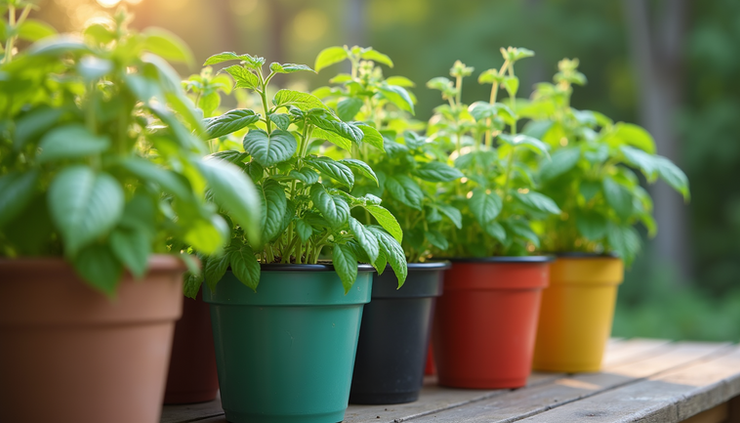
Aesthetic appeal: Herb pots and garden beds add greenery and pleasant scents to patios, balconies, or kitchen windows.
Physical activity and mental health: Gardening outdoors offers light exercise and stress relief. Tending plants connects you with nature and improves mood.
Pots allow flexibility to move plants to optimal sunlight or indoors during cold months. They also suit small spaces like apartments or urban balconies.
Using an Aerogarden for Year-Round Herb Growing
An aerogarden is a smart choice for those with limited outdoor space or who want fresh herbs all year. Here’s why it stands out:
Space-saving design: Aerogardens fit on kitchen counters or shelves, perfect for apartments.
Controlled environment: Built-in LED lights and automated watering create ideal growing conditions regardless of weather.
Faster growth: Plants grow up to 5 times faster than in soil because roots get direct access to nutrients and oxygen.
Ease of use: Automated systems remind you when to add water or nutrients, making it beginner-friendly.
Clean and soil-free: No mess from soil, reducing pests and allergies.
You can grow a variety of herbs like basil, chives, dill, and oregano in an aerogarden. It also encourages experimenting with less common herbs that may struggle outdoors in your climate.
Tips for Maintaining a Thriving Herb Garden
To keep your herb garden healthy and productive, follow these tips:
Regular pruning: Trim herbs frequently to prevent them from flowering and to promote new leaf growth.
Proper watering: Check soil moisture before watering. Herbs dislike soggy roots but also dry soil.
Fertilize lightly: Use a balanced, water-soluble fertilizer every few weeks, especially for potted herbs.
Watch for pests: Outdoors, inspect leaves for aphids or spider mites. Use natural remedies like neem oil if needed.
Rotate plants: If growing in pots, rotate them to ensure even sunlight exposure.
Harvest smartly: Pick leaves in the morning when oils are most concentrated. Avoid stripping entire plants at once.
Whether you grow herbs outdoors, in pots, or with an aerogarden, consistent care pays off with fresh, flavorful herbs at your fingertips.
Just as carefully tended herbs bring flavor and life to our meals, the words we cultivate in our hearts can bring grace and nourishment to those around us—reminding us of the wisdom in Colossians 4:6 “Let your speech be always with grace, seasoned with salt, that ye may know how ye ought to answer every man.”
🌿Body, Mind & Spirit
Nourishing the body is most effective when the mind and spirit are nurtured too.
For faith-based wellness reflections, visit WhiteStoneMountain.com.


Comments